



Heres Some Camping Tips & Tricks at Your Fingertips
Our Kiefer Campground Blog is the information you need to make your next camping trip even more enjoyable. From RV and camping tips and tricks, to amazing campfire recipes, to advice on planning your next trip... the information below is here to help you. And please, feel free to comment and share your experiences, knowledge and favorite recipes. At Kiefer Campground, we are a family and all here to help each other enjoy the great outdoors to the fullest!
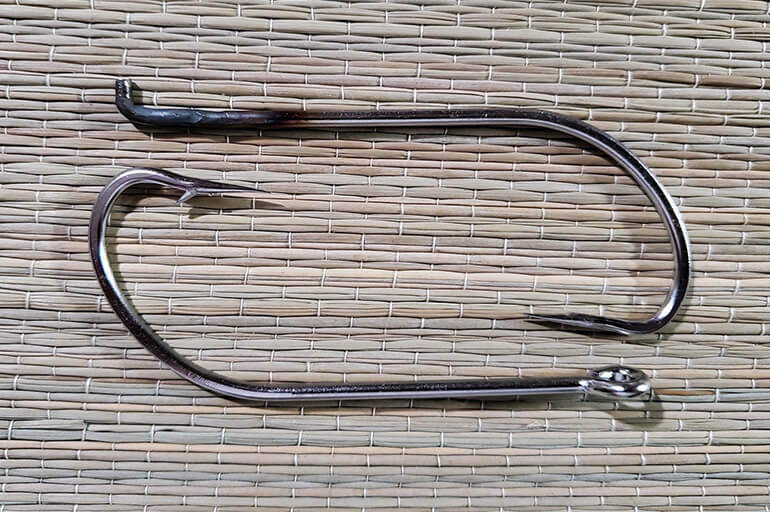
DIY Fishing Hooks
Creating your own fishing hooks can be a challenging DIY project, but it’s possible if you have the necessary tools and materials. Keep in mind that this process can be time-consuming and requires some skill in metalworking. Here are the basic steps to make DIY fishing hooks:
Materials and Tools:
- Wire: You’ll need a suitable wire material. Stainless steel or high-carbon steel are common choices.
- Pliers: Needle-nose pliers, round-nose pliers, and cutting pliers are essential.
- Vise: A vise will help you secure the wire during bending and shaping.
- File or Sandpaper: For smoothing and sharpening the hook point.
- Heat Source: If you’re working with stainless steel, you might need a heat source to soften the wire for shaping.
Steps:
- Select the Wire: Choose the appropriate wire diameter and material based on the type of fish you plan to catch. Thicker wire is typically used for larger fish.
- Cut the Wire: Use cutting pliers to cut a length of wire to start with. The length will depend on the hook size you want to create.
- Bend the Hook: Using needle-nose pliers, bend the wire to create the hook shape. You’ll want a straight section for the shank, a curved section for the bend, and a pointed end for the hook.
- Sharpen the Point: Use a file or sandpaper to sharpen the hook’s point. A sharp point is essential for catching fish effectively.
- Form the Eye: If you want to create a hook with an eye for attaching fishing line or a lure, use round-nose pliers to create the eyelet at the top of the hook.
- Harden and Temper the Hook (optional): If you’re using stainless steel, you may need to heat the hook with a propane torch and then quench it in water to harden it. This step can make the hook more durable, but it requires caution.
- Test Your Hook: Make sure the hook is sharp and strong. You can use a sharpening stone or file to further refine the point.
- Clean and Finish: Remove any sharp edges or burrs from the hook. A clean finish will prevent injury when handling it.
- Optional Coating: You can apply a corrosion-resistant coating or paint to your hook if desired.
Remember that creating your own fishing hooks can be a challenging task, and it may take some practice to perfect the art of making effective hooks. Additionally, some areas have regulations on the use of homemade hooks for fishing, so be sure to check local fishing regulations before using your DIY hooks.
Try this FIY out at your next visit to Camp Lakewood Campground.

Fishing Tips
Of course, I’d be happy to share some fishing tips with you! Fishing can be a relaxing and rewarding outdoor activity. Here are some tips to help you have a successful fishing experience:
Tips
- Choose the Right Equipment:
- Select the appropriate fishing rod and reel for your target species and fishing location.
- Use the right fishing line (monofilament, fluorocarbon, or braided) based on your fishing style and the fish you’re targeting.
- Make sure your hooks are sharp to improve your hookset success.
- Know the Fishing Regulations:
- Familiarize yourself with local fishing regulations, including catch limits, size restrictions, and fishing seasons.
- Obtain any necessary fishing licenses or permits before you start fishing.
- Understand the Habitat:
- Research the fishing location to understand the types of fish that inhabit the area and their preferred habitats.
- Learn about the feeding habits and behavior of the fish you’re targeting.
- Use Proper Bait and Lures:
- Choose bait or lures that mimic the natural prey of the fish you’re targeting.
- Consider using live bait, artificial lures, or a combination of both depending on the conditions and species.
- Practice Casting:
- Work on your casting accuracy and distance. Practice in an open area before heading to the water.
- Learn different casting techniques such as overhead casting, sidearm casting, and flipping/pitching.
- Pay Attention to Weather and Conditions:
- Fish are often more active during certain weather conditions. Overcast days and low light conditions can be ideal for fishing.
- Be aware of tides, moon phases, and water temperature as they can influence fish behavior.
- Be Patient:
- Fishing requires patience. Sometimes it takes time for the fish to become interested in your bait or lure.
- Avoid making sudden movements that might scare away fish.
- Practice Catch and Release:
- If you’re not keeping the fish you catch, handle them gently and release them properly to ensure their survival.
- Use proper tools for removing hooks to minimize stress on the fish.
- Stay Safe:
- Wear appropriate clothing and gear for the weather and environment.
- Be cautious of slippery surfaces, especially when fishing near water bodies.
- Learn from Others:
- If you’re new to fishing, consider fishing with experienced anglers or taking local fishing classes.
- Watch fishing videos, read books, and participate in online fishing forums to learn from other anglers.
Final Thoughts
Remember that fishing is not only about catching fish but also about enjoying the outdoors and the experience. Every fishing trip is a learning opportunity, so don’t get discouraged if you don’t catch anything on a particular day. With practice and persistence, you’ll improve your skills and have more successful outings.
Try these new tips and tricks on your next visit with us at Camp Lakewood Campground.

Family owned and operated, Kiefer Campgrounds strive to offer you the best rates for a comfortable location with outstanding service, and spotless facilities. When you stay in one of our parks, you are no longer just a happy camper, but a part of our family! We are most certain you will enjoy your stay with us. Pick your favorite location and book your spot now before it’s too late! You’ll be happy you did!