



Heres Some Camping Tips & Tricks at Your Fingertips
Our Kiefer Campground Blog is the information you need to make your next camping trip even more enjoyable. From RV and camping tips and tricks, to amazing campfire recipes, to advice on planning your next trip... the information below is here to help you. And please, feel free to comment and share your experiences, knowledge and favorite recipes. At Kiefer Campground, we are a family and all here to help each other enjoy the great outdoors to the fullest!
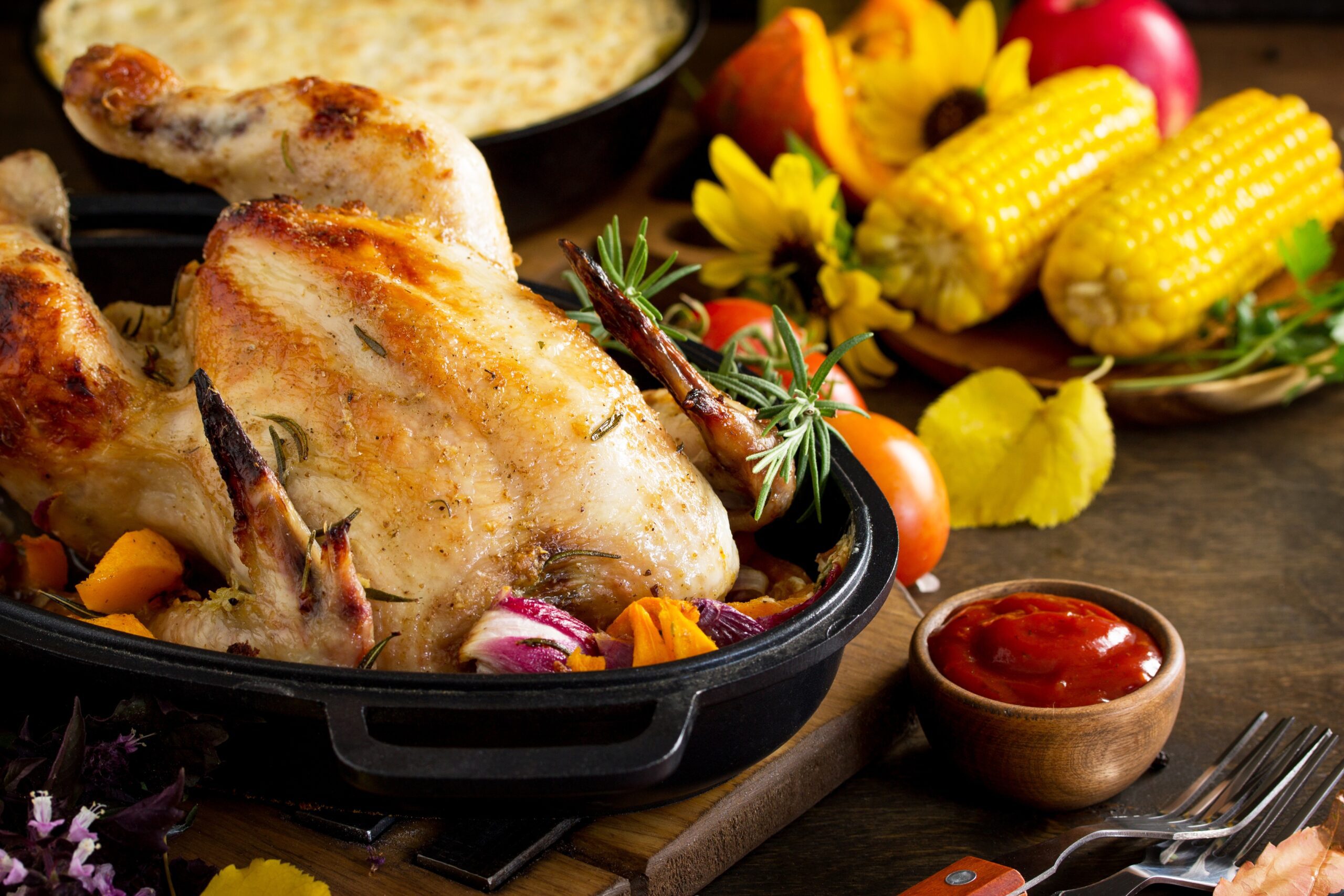
🦃 Dutch Oven Turkey Breast
Here’s a simple and delicious camping recipe for Dutch Oven Turkey Breast, perfect for a cozy campfire meal!
Serves: 4–6
Cook Time: ~1.5–2 hours
Equipment: 10–12 inch Dutch oven, charcoal or campfire coals, tongs, thermometer
Ingredients
- 1 (3–4 lb) boneless turkey breast (skin-on preferred)
- 3 tbsp olive oil or butter
- 1 tbsp garlic powder
- 1 tbsp onion powder
- 1 tsp paprika
- 1 tsp dried thyme or rosemary
- Salt & black pepper to taste
- 1 cup chicken broth
- 1 small onion, quartered
- 2–3 carrots, chopped
- 2–3 small potatoes, quartered
- Optional: lemon slices for garnish
Instructions
- Prep the Fire:
Get about 25–30 hot coals ready. You’ll want an even heat — about 350°F in your Dutch oven (roughly 8 coals underneath, 17 on top). - Season the Turkey:
Rub olive oil or butter all over the turkey breast. Mix the garlic powder, onion powder, paprika, thyme, salt, and pepper together, then coat the turkey evenly with the spice blend. - Layer the Veggies:
In the Dutch oven, add the onions, carrots, and potatoes. Pour in the chicken broth to keep things moist. - Add the Turkey:
Place the seasoned turkey breast on top of the veggies. - Cook:
Cover with the lid. Place the Dutch oven over 8 coals and add 17 to the lid. Cook for about 1.5–2 hours, rotating the lid and oven every 30 minutes to ensure even cooking. - Check for Doneness:
The turkey is ready when the internal temperature reaches 165°F. Let it rest 10 minutes before slicing. - Serve:
Slice and serve with the roasted veggies — and enjoy a camp-style Thanksgiving dinner under the stars! 🌲🔥
Try this recipe during your stay at Camp Lakewood Campground this Thanksgiving season!
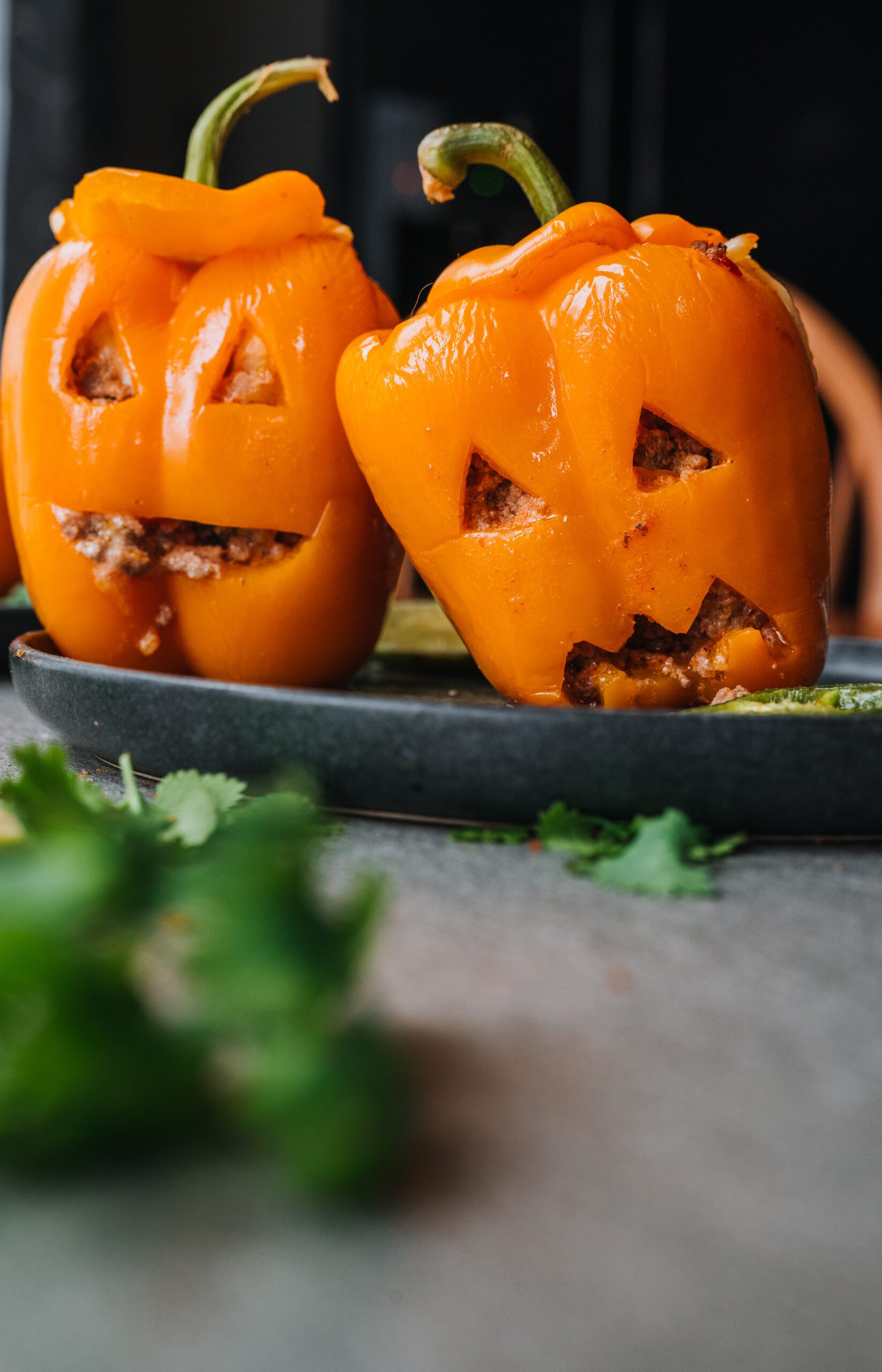
🎃 Jack-O’-Lantern Stuffed Peppers 👻
Here’s a fun, Halloween-themed recipe for Jack-O’-Lantern Stuffed Peppers — perfect for camping or a festive Kiefer Campgrounds meal! 🎃
Ingredients (serves 4):
- 4 orange bell peppers
- 1 lb ground beef, turkey, or plant-based substitute
- 1 cup cooked rice (white, brown, or quinoa)
- 1 small onion, finely chopped
- 2 cloves garlic, minced
- 1 cup tomato sauce
- 1 tsp paprika
- 1 tsp chili powder
- Salt & pepper to taste
- Shredded cheese (optional)
- Olive oil
Instructions:
- Preheat & Prep:
Preheat oven to 375°F (190°C). Cut the tops off the bell peppers and remove seeds. Carve a fun jack-o’-lantern face into each pepper. - Cook Filling:
In a skillet, heat a little olive oil over medium heat. Sauté onions and garlic until soft. Add ground meat, cook until browned. Stir in cooked rice, tomato sauce, paprika, chili powder, salt, and pepper. Cook 2–3 minutes until combined. - Stuff Peppers:
Spoon the filling into each carved bell pepper. Top with shredded cheese if desired. - Bake:
Place stuffed peppers upright in a baking dish with a little water at the bottom. Cover with foil and bake for 25–30 minutes. Remove foil for the last 5–10 minutes to melt the cheese and slightly roast the tops. - Serve & Enjoy:
Carefully serve your spooky Jack-O’-Lantern stuffed peppers hot! Perfect for a Halloween campsite dinner.
💡 Pro Tip: You can also use yellow or red peppers for extra color, or make them vegetarian by swapping meat for beans or lentils
Try this flavorful meal the next time you stay at Camp Lakewood Campground!

🥔 Deviled Egg Potato Salad
Why choose between deviled eggs and classic potato salad when you can have both? This flavorful recipe combines the creamy, tangy goodness of deviled eggs with the hearty comfort of potato salad—all in one delicious dish!
Ingredients:
- 6 medium potatoes (Yukon Gold or Russet), peeled and cubed
- 6 hard-boiled eggs (4 chopped, 2 sliced for garnish)
- 1 cup mayonnaise
- 2 tbsp yellow mustard (or Dijon for a twist)
- 2 tbsp sweet pickle relish (or dill if you prefer)
- 1 tbsp apple cider vinegar
- 1 tsp sugar
- ½ tsp paprika (plus more for garnish)
- ½ tsp garlic powder
- Salt & pepper to taste
- 2–3 green onions or fresh chives, chopped (optional)
- Celery (2 stalks, finely diced – optional for crunch)
Instructions:
- Cook the potatoes: Place cubed potatoes in a pot of salted water. Boil until fork-tender (about 10–12 minutes). Drain and let cool slightly.
- Prepare the eggs: Peel and chop 4 hard-boiled eggs. Slice the other 2 for topping.
- Make the dressing: In a large bowl, whisk together mayonnaise, mustard, relish, vinegar, sugar, garlic powder, paprika, salt, and pepper. Adjust to taste.
- Combine: Gently fold in potatoes, chopped eggs, celery, and green onions until well coated.
- Chill: Cover and refrigerate for at least 1 hour to let the flavors blend.
- Garnish & serve: Top with sliced eggs, a sprinkle of paprika, and extra chives before serving.
✨ Perfect for cookouts, camping trips, or family dinners!
Try this recipe during your next stay at Camp Lakewood Campground!
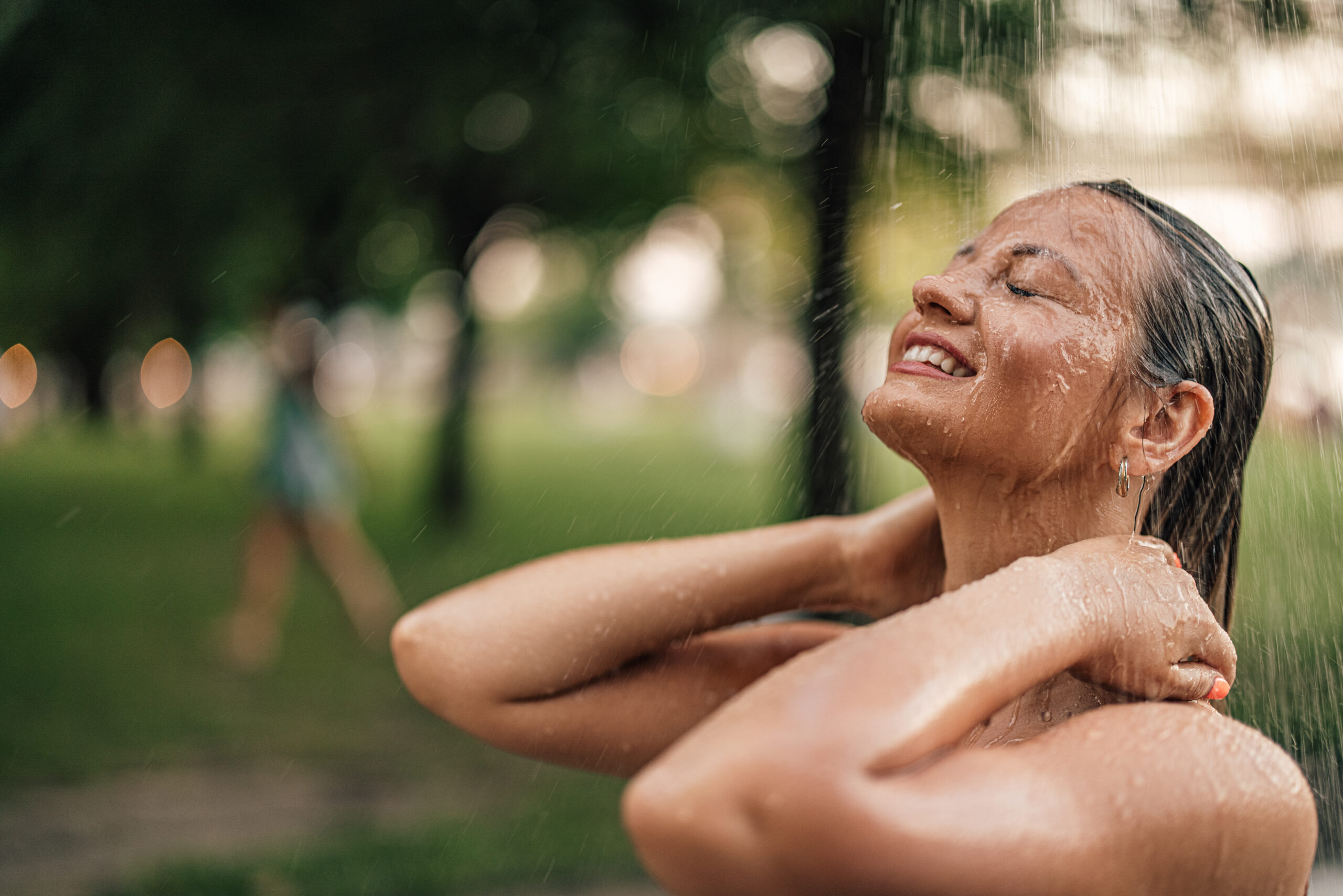
How to Make a Camp Shower
Here’s a simple guide on how to make a camp shower—easy, budget-friendly, and adaptable depending on what supplies you have.
1. Solar Shower Bag (Easiest DIY)
What you need:
- A solar shower bag (or even a sturdy black trash bag)
- Rope or a tree branch for hanging
Steps:
- Fill the bag with water and let it sit in the sun for a few hours (black bags heat water faster).
- Hang it from a tree branch or a sturdy hook.
- Use the attached nozzle or poke a small hole in the bottom for water flow.
2. Gravity-Powered Bucket Shower
What you need:
- 5-gallon bucket with lid
- Drill (or something to poke holes)
- Rope or bungee cords
Steps:
- Drill small holes in the bottom of the bucket (or install a spigot).
- Fill with water, put on the lid, and hoist the bucket onto a branch or a tall stand.
- Stand underneath and lift the lid slightly (or open the spigot) to let water out.
3. Pump Sprayer Shower (Pressurized)
What you need:
- 2-gallon garden pump sprayer (clean, unused)
- Optional: attach a shower head or hose sprayer
Steps:
- Fill with warm water.
- Pump the sprayer to build pressure.
- Use the attached nozzle as your shower head—great for rinsing off after hikes.
4. Simple Privacy Upgrade
- Shower tent or tarp walls → for privacy
- Wooden pallet or rubber mat → to avoid muddy feet
- Quick-dry towel → saves space and dries fast
⚠️ Tips & Safety:
- Use biodegradable soap to protect the environment.
- Always shower at least 200 feet away from natural water sources.
- If heating water on a fire or stove, let it cool before pouring into your shower setup (avoid burns).
Try these shower hacks the next time you need to shower in the wilderness! You don’t need to worry about making your own shower when staying at Camp Lakewood Campground, because we have showers!
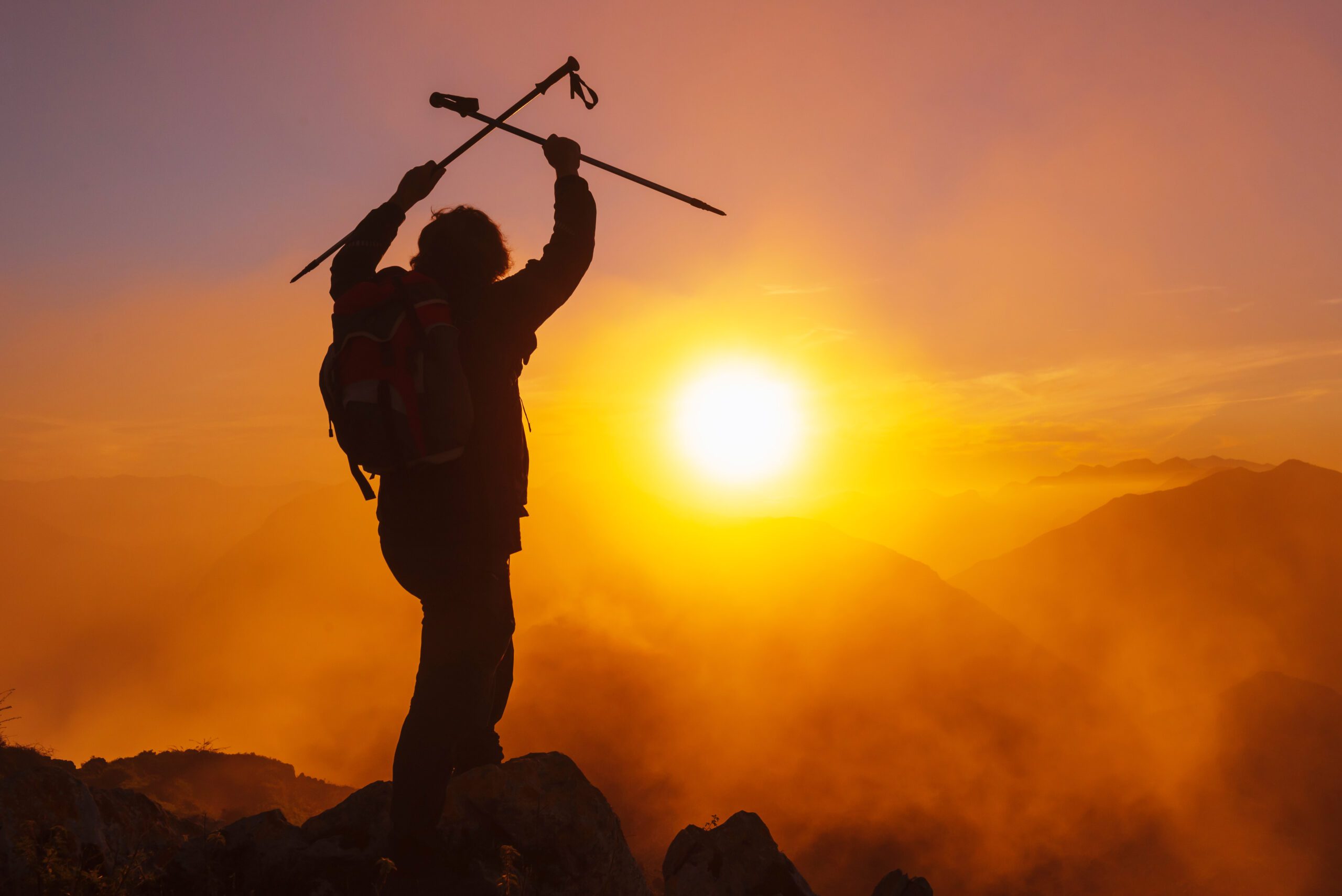
How to Signal for Help in the Wild
Essential Tips for Outdoor Emergency Situations
Getting lost or injured in the wilderness can happen to even the most experienced adventurers. Whether you’re hiking, camping, or exploring off-grid, knowing how to effectively signal for help can be life-saving. Here are key techniques you should know before heading into the wild.
1. Use the Rule of Threes
In survival, the number three is universally recognized as a distress signal. This applies across multiple methods:
- Three loud whistles
- Three flashes of a mirror or flashlight
- Three piles of rocks or logs in a triangle
- Three shouts, bangs, or blasts of an air horn
Repeat the signal at regular intervals to increase your chances of being heard or seen.
2. Visual Signals
Visual cues are crucial when rescuers are searching from the air or across long distances.
🔦 Flashlight or Mirror Signals
- Use a flashlight or mirror to reflect sunlight toward aircraft or distant people.
- Flash in groups of three.
- If using a mirror, angle the reflection so it flashes across your target’s location.
🔥 Smoke and Fire
- Build three fires in a triangle or straight line.
- Use green leaves or moss to create thick smoke during the day.
- Keep a dry fire source ready to reignite in case rescuers pass nearby.
🪵 Ground Symbols
- Use logs, rocks, or gear to form large symbols like:
- SOS (international distress signal)
- X (needs emergency assistance)
- → (points toward your location if moving)
- SOS (international distress signal)
- Make them at least 6 feet wide so they’re visible from the sky.
3. Audio Signals
Sound carries well in forests and open land.
- Whistle: Louder and more piercing than a voice. Always carry one.
- Yelling: Use only when someone is nearby—you can lose your voice quickly.
- Air horn: Excellent for wide-open areas or near trails.
4. Emergency Devices
Modern gear can be a game-changer:
- Personal Locator Beacon (PLB)
- Sends a signal with your location to emergency services.
- Requires no cell service.
- Sends a signal with your location to emergency services.
- Satellite Messengers (e.g., Garmin inReach, SPOT)
- Allow you to text your coordinates or SOS.
- Useful for remote areas with no reception.
- Allow you to text your coordinates or SOS.
- Cell Phones
- Try sending a quick SOS text or using emergency location sharing if you have signal.
- Climb to higher ground to improve reception.
- Try sending a quick SOS text or using emergency location sharing if you have signal.
5. Clothing & Movement Tips
- Wear bright colors or reflective gear.
- Lay out contrasting gear to catch attention.
- If moving, stay visible—open spaces are better than thick brush.
- Avoid unnecessary movement if you’re injured or rescuers may be nearby.
Final Tips
- Always let someone know your route and expected return time before heading into the wild.
- Pack essentials like a whistle, flashlight, mirror, and fire starter in your emergency kit.
- Remain calm and patient—rescue can take time.
Being prepared is your best defense in a wilderness emergency. Learn these signaling techniques, and you’ll be better equipped to stay safe at any campground, especially at Camp Lakewood Campground!
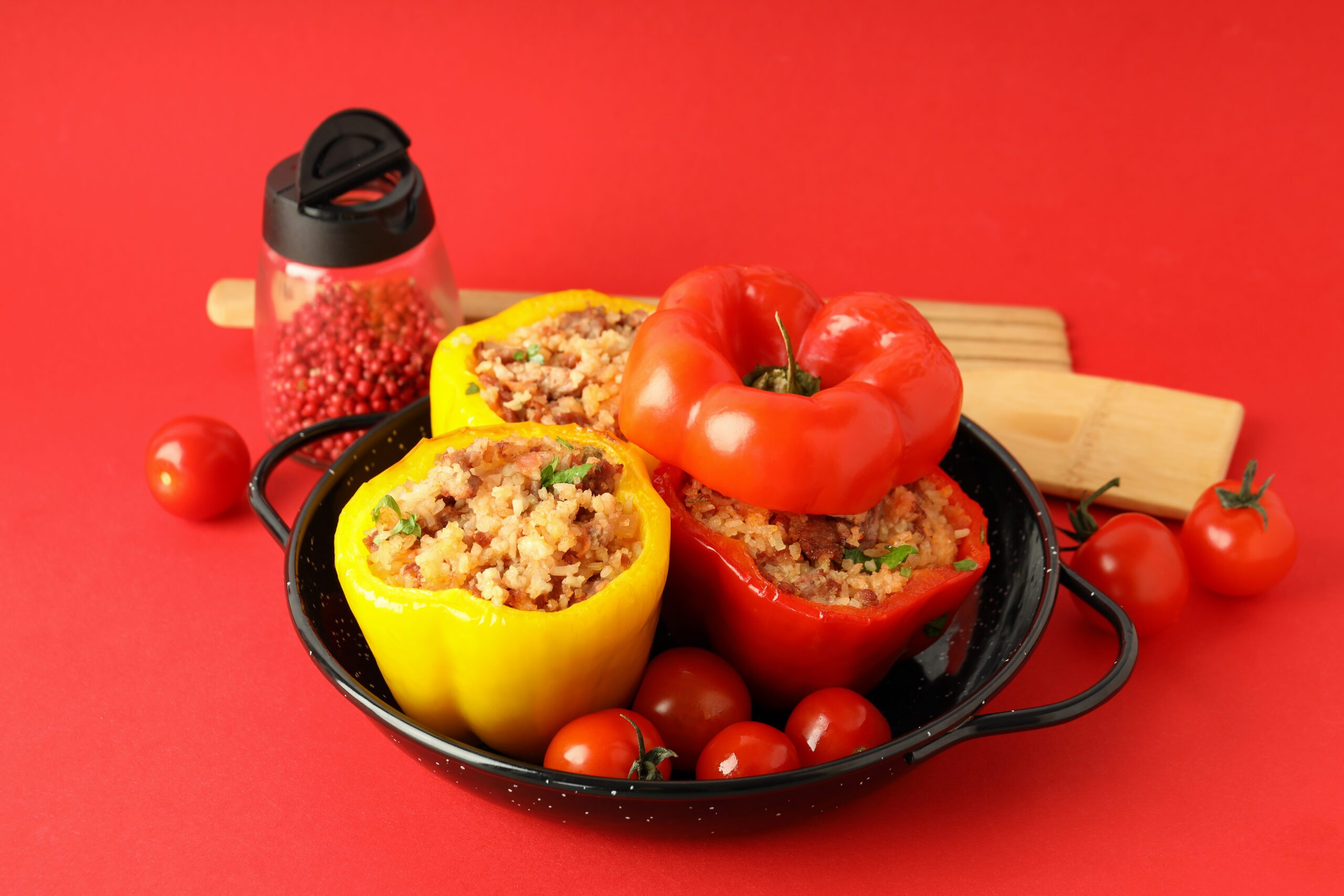
🏕️ Campfire Stuffed Peppers
Here’s an easy and delicious Campfire Stuffed Peppers recipe — perfect for cooking over the fire or grill while camping! 🌶️🔥
Ingredients:
- 4 large bell peppers (any color), tops cut off and seeds removed
- 1 lb ground beef or turkey
- 1 cup cooked rice
- 1 cup shredded cheese (cheddar or Mexican blend)
- 1 small onion, diced
- 1 cup diced tomatoes (fresh or canned)
- 1 tsp garlic powder
- 1 tsp chili powder (optional)
- Salt & pepper to taste
- Aluminum foil
Optional Add-ins: corn, black beans, jalapeños, or salsa
🔥 Instructions:
- Cook the filling: In a skillet or pan over your campfire or camping stove, cook the ground meat with onions until browned. Drain any excess fat.
- Stir in tomatoes, cooked rice, spices, and half the cheese. Let it heat through.
- Stuff the peppers: Fill each bell pepper with the hot mixture and top with remaining cheese.
- Wrap each stuffed pepper in aluminum foil.
- Cook over the fire: Place wrapped peppers on hot coals or a grill grate. Cook for 20–30 minutes, rotating occasionally, until the peppers are tender and cheese is melted.
- Carefully unwrap and enjoy!
Try this recipe the next time you stay at Camp Lakewood Campground!
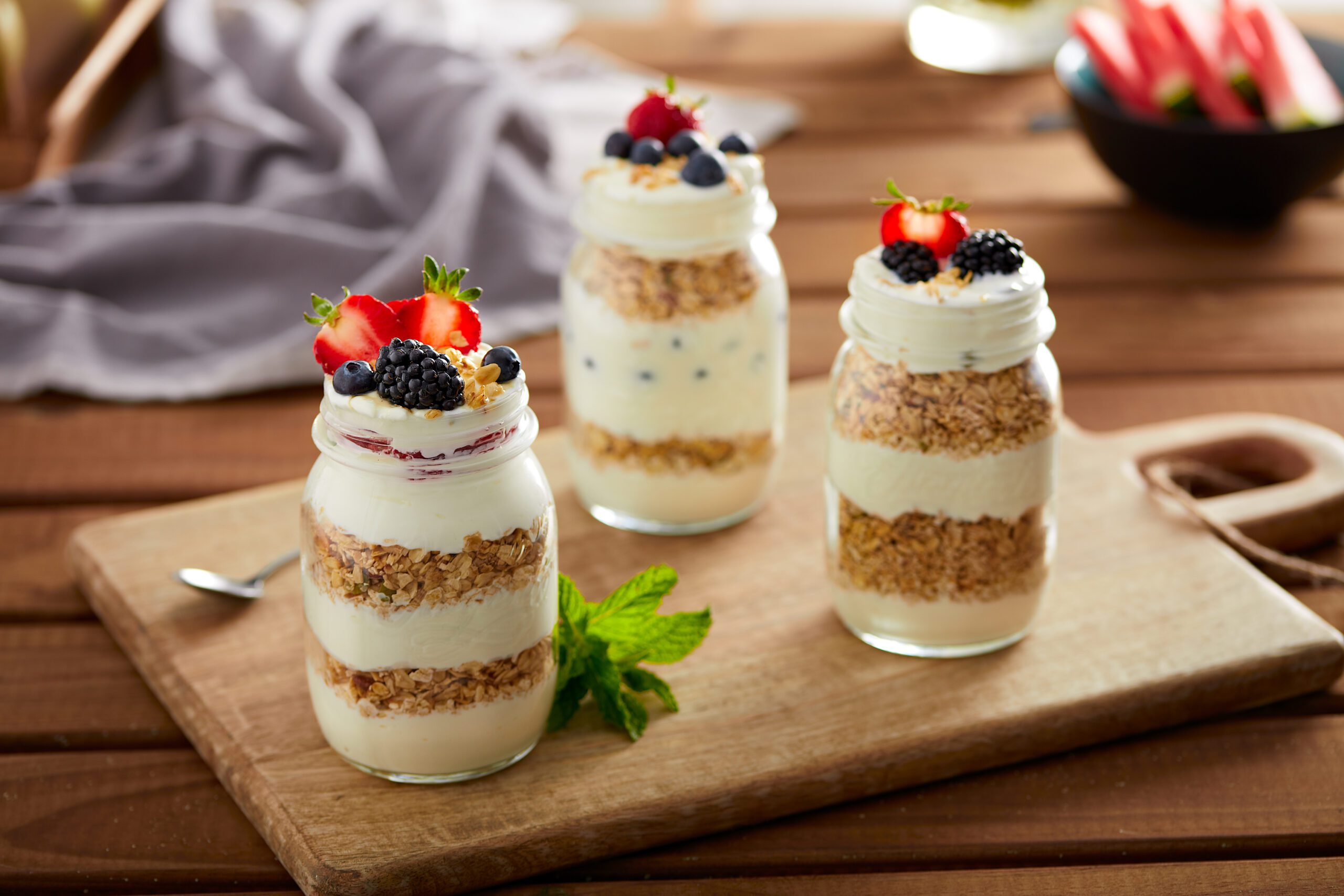
Mason Jar Desserts
Mason jar desserts are fun, portable, and perfect for camping trips, picnics, or cozy nights in! Here are some delicious and visually appealing ideas to inspire your next sweet treat in a jar:
🍓 1. Strawberry Shortcake Jars
Layers: Crumbled pound cake, fresh strawberries, whipped cream
Tip: Let it chill for an hour so the juices soak in!
🍫 2. No-Bake Chocolate Cheesecake Jars
Layers: Oreo crumb crust, chocolate cheesecake filling, chocolate ganache
Topping: Whipped cream + chocolate shavings
🍌 3. Banana Pudding Jars
Layers: Vanilla pudding, sliced bananas, Nilla wafers, whipped topping
Optional: Drizzle of caramel
🍰 4. Red Velvet Cake Jars
Layers: Red velvet cake chunks, cream cheese frosting
Tip: Add sprinkles or white chocolate chips for a fun texture!
🫐 5. Berry Trifle Jars
Layers: Angel food cake, mixed berries (blueberries, raspberries), vanilla yogurt or pudding
Garnish: Fresh mint leaves
🍏 6. Caramel Apple Pie Jars
Layers: Cinnamon-spiced apples, graham cracker crust, whipped cream
Drizzle: Warm caramel sauce on top
🎃 7. Pumpkin Pie Jars
Layers: Pumpkin pie filling, crushed gingersnaps or graham crackers, whipped cream
Perfect for: Fall parties or Thanksgiving desserts
🍪 8. Cookie Dough Parfait Jars
Layers: Edible cookie dough, chocolate pudding, crushed cookies
Top with: Mini chocolate chips
Try packing these desserts on your next camping trip to Camp Lakewood Campground!
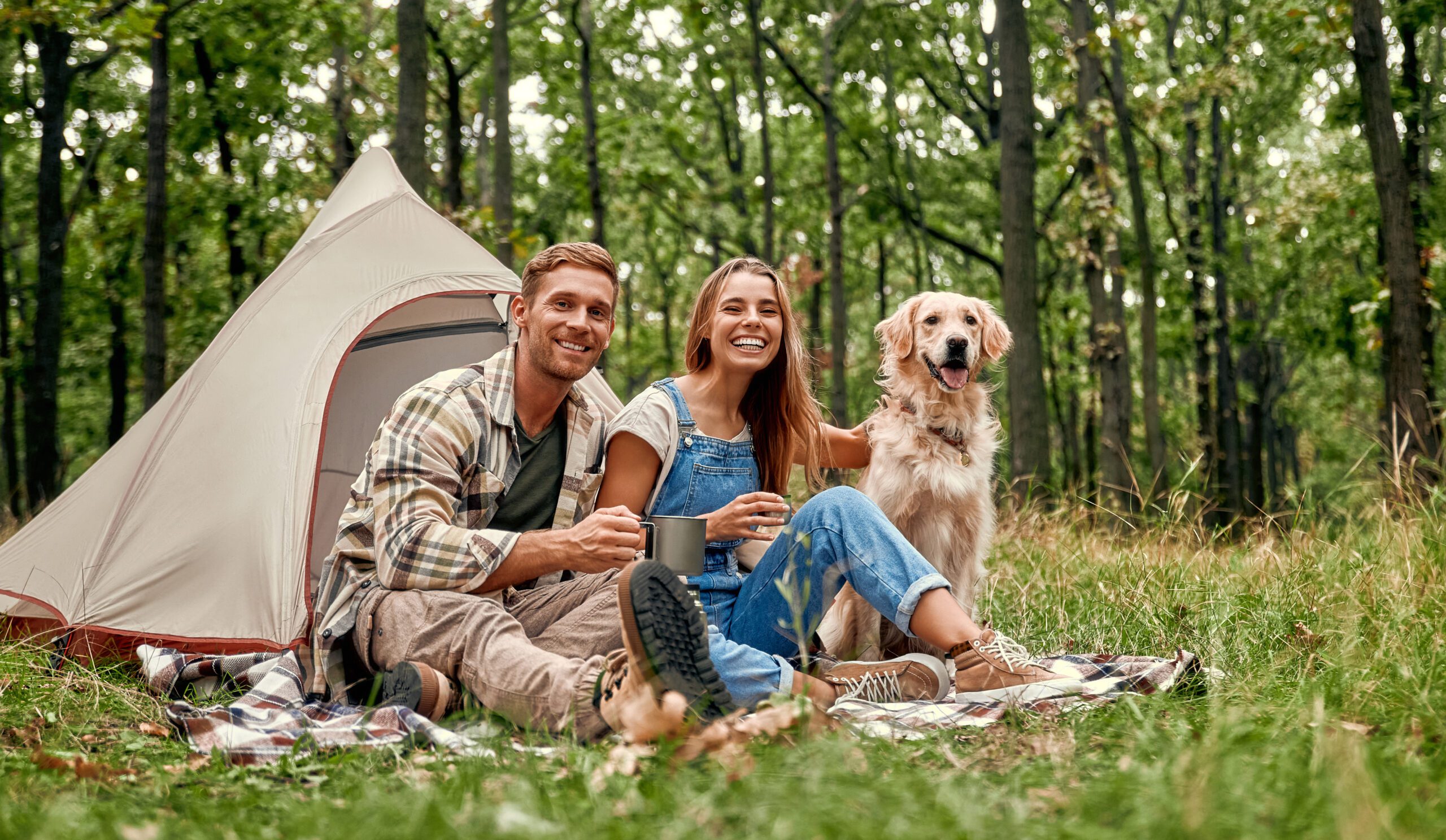
How To Camp With Pets
Camping with pets can be a fun and rewarding experience—if you’re prepared! Here’s a simple guide to help you camp safely and comfortably with your furry friend:
🐾 Before You Go
- Check Pet-Friendly Rules: Make sure your campground allows pets. Some have restrictions on pet size, breed, or number.
- Visit the Vet: Ensure your pet is healthy, vaccinated, and up-to-date on flea/tick prevention.
- Pack Their Essentials:
- Food & water (plus collapsible bowls)
- Leash, harness, and ID tags
- Pet bed or blanket
- Waste bags
- Toys and treats
- Medications
- Food & water (plus collapsible bowls)
🏕️ At the Campground
- Set Up a Pet Zone: Create a shaded, secure area with water and their bed or crate.
- Always Supervise: Never leave your pet alone, especially in a hot tent or car.
- Follow Leash Rules: Use a leash or tie-out to keep them safe and respectful of other campers.
- Be Considerate: Clean up after your pet and limit barking to maintain good campground etiquette.
🐶 Fun and Safety Tips
- Go for Walks or Hikes: Stick to pet-friendly trails and check their paws for burrs or hot spots.
- Watch for Wildlife: Keep your pet close—some animals can pose a danger.
- Night Safety: Use a glow collar or reflective gear for visibility.
- Hydration is Key: Make sure they drink enough, especially on hot days or after hikes.
🧭 Bonus Tips
- First-Time Campers: Try a backyard camp-out or a short overnight trip to ease into the experience.
- Camping in Tents? Introduce your pet to the tent at home so it feels familiar.
- Pet ID: Consider a GPS tag or microchip just in case your pet gets lost.
Camping with pets is all about preparation and awareness. With a little planning, you’ll both have an unforgettable adventure at Camp Lakewood Campground! 🏞️🐕🦺

Things To Do When Staying At Camp Lakewood Campground
Here’s a simple checklist of things to do around Camp Lakewood Campground, including local restaurants with a short description for each:
🏕️ At the Campground
- Swim or Paddle on Lake Pauline
Enjoy swimming, kayaking, or fishing right from the shore or dock. - Campfire Time
Roast s’mores, share stories, or try glow stick tag at night. - Watch Wildlife
Look for deer, raccoons, birds, and other local critters. - Stargaze at Night
The sky is clear and dark—great for spotting constellations.
🌆 Nearby Attractions in Effingham
- The Cross at the Crossroads
A giant 198-foot cross—great photo op and landmark. - My Garage Museum
See vintage Corvettes and rare car memorabilia—perfect for car lovers. - TREC Trail
A scenic trail for walking or biking through nature and town. - Effingham Performance Center
Catch live music, comedy shows, or plays if there’s an event during your visit.
🍕 Local Restaurants to Try
- Firefly Grill (Upscale casual)
Farm-to-table dishes with a view of the lake—great for date nights or nicer meals. - Niemerg’s Steakhouse (Family favorite)
Known for hearty Midwestern meals and homemade pies. - Gabby Goat American Pub & Grill (Fun atmosphere)
Burgers, wings, and live music—good for groups or casual nights out. - Joe’s Pizza & Pasta (Local Italian classic)
Big portions, family-friendly, and a local favorite for pizza and pasta.
Whether you’re looking to relax by the lake, explore local attractions, or enjoy classic camping activities, Camp Lakewood Campground and the surrounding Effingham area offer something for every camper!

How to Preserve Things Found On Your Camping Trip
Preserving items from your camping trip depends on what you’ve collected—whether it’s plants, flowers, leaves, rocks, wildlife observations, or other natural keepsakes. Here are some tips for different types of finds:
1. Flowers & Leaves
- Pressing: Place leaves or flowers you want to preserve between wax paper inside a heavy book for 1-2 weeks.
- Laminating: Once dried, laminate for bookmarks or decorations.
- Resin Encasing: Embed in resin to create keychains, coasters, or jewelry.
2. Rocks & Minerals
- Cleaning: Wash with mild soap and water; scrub with a brush if needed.
- Sealing: Use a clear sealant or mineral oil to enhance colors.
- Labeling: Keep a small notebook or tag them with the location and date.
3. Pinecones, Bark, & Nuts
- Drying: Spread on newspaper and air-dry.
- Baking: Heat in an oven at 200°F for 30 minutes to kill pests.
- Sealing: Apply clear varnish to prevent decay and to preserve.
4. Feathers & Animal Findings (Non-Living)
- Cleaning: Soak in a mild bleach solution, then rinse and dry.
- Displaying: Frame or place in shadow boxes.
- Legal Considerations: Research laws about keeping feathers, bones, or shells, as some (like eagle feathers) are illegal to possess.
5. Photos & Journaling
- Photo Album: Print and organize your best shots.
- Scrapbooking: Combine pictures, notes, and small dried items in a scrapbook.
- Digital Memory Book: Create an online journal or blog post.
6. Wildlife Sightings
- Sketching: Draw animals or plants in a nature journal.
- Writing Notes: Record behaviors, habitats, and times of day.
- Apps: Use apps like iNaturalist to log observations without taking anything from nature.
Try this with your findings next time you stay at Camp Lakewood Campground!

Family owned and operated, Kiefer Campgrounds strive to offer you the best rates for a comfortable location with outstanding service, and spotless facilities. When you stay in one of our parks, you are no longer just a happy camper, but a part of our family! We are most certain you will enjoy your stay with us. Pick your favorite location and book your spot now before it’s too late! You’ll be happy you did!