



Heres Some Camping Tips & Tricks at Your Fingertips
Our Kiefer Campground Blog is the information you need to make your next camping trip even more enjoyable. From RV and camping tips and tricks, to amazing campfire recipes, to advice on planning your next trip... the information below is here to help you. And please, feel free to comment and share your experiences, knowledge and favorite recipes. At Kiefer Campground, we are a family and all here to help each other enjoy the great outdoors to the fullest!

What To Put In a Nature Journal to Document a Trip
Creating a nature journal to document your trip is a wonderful way to capture memories and observations. Here are some things you can include:
1. Date and Location
- Date: Record the specific date of your visit.
- Location: Note the exact location, including any trails, parks, or landmarks.
2. Weather Conditions
- Temperature: Include the temperature range during your visit.
- Weather: Note if it was sunny, cloudy, rainy, etc.
- Wind: Mention if it was windy and from which direction.
3. Flora and Fauna Observations
- Plants: Describe any plants or trees you see. Include sketches, photographs, or pressed leaves/flowers.
- Animals: Document any animals you encounter, such as birds, insects, mammals, or reptiles.
- Tracks: Draw or photograph any tracks or signs of animals.
4. Sounds
- Bird Calls: Write down or describe any bird songs or calls you hear.
- Rustling Leaves: Note the sound of wind through trees or rustling leaves.
- Insects: Mention the buzzing of insects or other sounds.
5. Scents
- Flowers: Describe the smell of any flowers or plants.
- Earth: Note the scent of the earth after rain or in the morning.
6. Scenery Descriptions
- Landscape: Write about the landscape, including mountains, rivers, forests, etc.
- Colors: Describe the colors you see, such as the shades of green in the trees or the blue of the sky.
7. Sketches and Drawings
- Nature Sketches: Draw the plants, animals, or landscapes you observe.
- Maps: Create a small map of the area you explored.
8. Pressed Plants or Leaves
- Samples: Collect small, non-invasive samples of leaves or flowers to press and include in your journal.
9. Personal Reflections
- Feelings: Write about how the surroundings make you feel.
- Memories: Note any memories or thoughts that come to mind during your time in nature.
10. Photographs
- Nature Photography: Include photos of the scenery, animals, or plants.
- Selfies: Add personal photos to capture your presence in the environment.
11. Interesting Finds
- Rocks or Shells: Document any interesting rocks, shells, or natural objects you find.
- Unique Discoveries: Write about any unique or unexpected things you encounter.
12. Activities
- Hiking or Walking: Describe the trails or paths you took.
- Picnicking: Note if you had a picnic and what you ate.
13. Local History or Folklore
- Historical Notes: Include any historical facts or stories related to the area.
- Folklore: Document any local legends or folklore connected to the location.
14. Post-Trip Reflections
- Summary: Reflect on the overall experience after the trip.
- Lessons Learned: Write down any lessons or insights gained from the trip.
This comprehensive approach will help you create a rich and personal record of your nature trip at Camp Lakewood Campground, one that you can look back on for years to come.

Wildlife That Can Be Found Around Camp Lakewood Campground
At Camp Lakewood Campground in Effingham, Illinois, you can find a variety of local wildlife. The area around the campground includes forests, lakes, and open grasslands, which provide habitats for different species. Here’s what you might spot:
Birds
- Birds of Prey: Red-tailed hawks and American kestrels are common, often seen circling high in search of prey.
- Songbirds: Look for American robins, blue jays, northern cardinals, and sparrows. Eastern bluebirds and indigo buntings might add vibrant color to your sightings.
- Woodpeckers: Downy woodpeckers, red-bellied woodpeckers, and the larger pileated woodpeckers can be spotted in the wooded areas.
- Waterfowl: Canada geese, mallards, and occasionally great blue herons frequent the lakeshore. In migratory seasons, you might see other duck species stopping by.
Mammals
- White-Tailed Deer: Commonly found in forested areas and meadows, especially around dawn and dusk.
- Small Mammals: Squirrels, chipmunks, rabbits, and groundhogs are active during the day and are commonly seen around the campsite.
- Raccoons: These are nocturnal and can be found foraging around the campground after dark.
- Coyotes: More elusive but occasionally spotted, often at dawn or dusk in less-populated areas.
- Bats: Various bat species can be seen at twilight, especially around open areas where insects gather.
Reptiles and Amphibians
- Turtles: Painted turtles and snapping turtles are common in and around the lake.
- Snakes: Garter snakes, which are non-venomous, are common. You might also see northern water snakes near the water’s edge.
- Frogs and Toads: Green frogs, American bullfrogs, and American toads are abundant around water sources. You might hear their calls in the evening.
Insects and Other Invertebrates
- Butterflies: Monarchs, swallowtails, and painted ladies are some of the colorful butterflies that visit the area in summer.
- Dragonflies and Damselflies: These are frequently seen near water, helping keep mosquito populations down.
- Fireflies: In the warmer months, fireflies light up the evenings, creating a magical atmosphere.
- Beetles and Moths: Stag beetles, luna moths, and various moth species add to the diversity, especially near lights at night.
Aquatic Life
- Fish: The lake is home to bluegill, largemouth bass, catfish, and crappie, which are popular with local anglers.
- Crayfish and Other Invertebrates: Crayfish, snails, and various aquatic insects live around the edges of the lake.
Each of these animals contributes to the ecosystem around Camp Lakewood Campground, and by staying quiet and attentive, you’ll likely spot many of them during your stay!

Campfire Potato Soup
Campfire potato soup is a comforting and hearty dish that’s perfect for serving larger groups or families. Here’s a simple recipe that you can prepare over a campfire:
Ingredients:
- 4-5 medium potatoes, peeled and diced
- 1 onion, chopped
- 2 cloves garlic, minced
- 4 cups chicken or vegetable broth
- 1 cup milk (or substitute with evaporated milk for a creamier texture)
- 1/2 cup shredded cheddar cheese (optional)
- 2 tablespoons butter
- Salt and pepper to taste
- Optional toppings: chopped green onions, cooked bacon bits, sour cream
Equipment Needed:
- Large heavy-duty pot or Dutch oven
- Stirring spoon
- Campfire with grate or tripod
Instructions:
- Prepare the Fire:
- Start your campfire and let it burn down to hot coals. You’ll need a stable and consistent heat source for cooking.
- Cook the Vegetables:
- In the large pot or Dutch oven, melt the butter over the campfire. Add the chopped onion and minced garlic, sautéing until softened and fragrant.
- Add Potatoes and Broth:
- Add the diced potatoes to the pot, stirring to combine with the onions and garlic. Pour in the chicken or vegetable broth, ensuring the potatoes are covered.
- Simmer:
- Bring the mixture to a boil, then reduce the heat to a simmer. Cover the pot with a lid and let it cook over the campfire, stirring occasionally, until the potatoes are tender (about 15-20 minutes).
- Mash or Blend:
- Using a potato masher or immersion blender, mash or blend the soup to your desired consistency. Leave some chunks for texture if preferred.
- Add Milk and Cheese:
- Stir in the milk (or evaporated milk) and shredded cheddar cheese if using. Continue cooking over the campfire, stirring frequently, until the cheese is melted and the soup is heated through.
- Season and Serve:
- Season with salt and pepper to taste. Ladle the hot soup into bowls and garnish with chopped green onions, bacon bits, and a dollop of sour cream if desired.
- Enjoy:
- Serve the campfire potato soup hot, alongside toasted bread or cornbread for a complete meal outdoors.
This hearty and delicious potato soup will warm you up during your camping adventures. Adjust the ingredients and seasonings according to your taste preferences and enjoy the cozy campfire cooking experience at Camp Lakewood Campground!
Plants You Might See While Camping at Camp Lakewood Campground
At Camp Lakewood Campground in Effingham, Illinois, you’ll find a mix of native plants that thrive in the region’s woodland and wetland environments. Here’s a list of plants you might encounter while camping there:
Trees and Shrubs
- White Oak (Quercus alba): A majestic tree and the state tree of Illinois. Its leaves have deep lobes, and it produces acorns that are a food source for wildlife.
- Sugar Maple (Acer saccharum): Known for its brilliant fall colors, this tree is common in Illinois forests.
- Red Maple (Acer rubrum): Another tree with stunning fall foliage, often found in wetter areas.
- Eastern Redbud (Cercis canadensis): A small tree that produces beautiful pink flowers in the spring.
- American Witch Hazel (Hamamelis virginiana): A shrub that blooms in late fall with yellow, fragrant flowers.
Wildflowers and Grasses
- Wild Geranium (Geranium maculatum): A common wildflower with pink to purple flowers, often found in wooded areas.
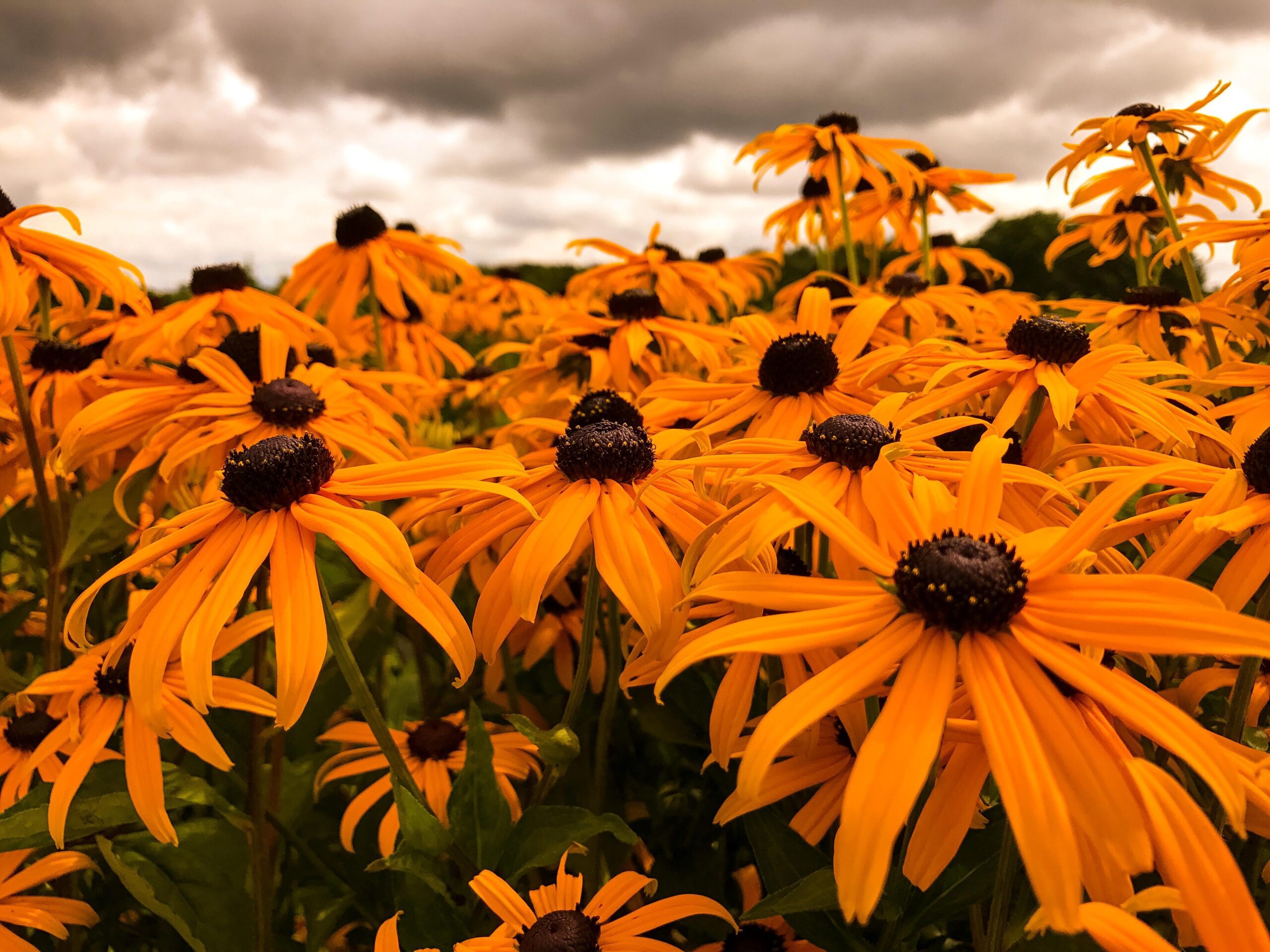
- Black-eyed Susan (Rudbeckia hirta): Recognizable by its bright yellow petals and dark brown center, this flower is a common sight in open fields.
- Purple Coneflower (Echinacea purpurea): Known for its distinctive purple petals and central cone, it’s a favorite among pollinators.
- Goldenrod (Solidago spp.): A tall plant with clusters of small yellow flowers, often found in meadows and fields.
- Big Bluestem (Andropogon gerardii): A tall prairie grass that’s native to Illinois and provides habitat for various wildlife.
Ground Cover and Other Plants
- Mayapple (Podophyllum peltatum): A low-growing plant with umbrella-like leaves, it produces a single white flower in spring.
- Jack-in-the-pulpit (Arisaema triphyllum): A unique woodland plant with a hooded flower structure that hides the “Jack” inside.
- Virginia Creeper (Parthenocissus quinquefolia): A climbing vine with five-part leaves, it turns a vibrant red in the fall.
- Poison Ivy (Toxicodendron radicans): Recognizable by its “leaves of three,” it’s a plant to avoid due to its irritating oil.
- Trillium (Trillium spp.): A beautiful woodland wildflower with three leaves and three petals, typically white or pink.
These plants reflect the diverse habitats found at Camp Lakewood Campground, from shaded woods to sunny open areas. Keep an eye out for these species as you explore the natural beauty of the campground.

What to Pack for a Picnic
Packing for a picnic can be delightful and straightforward with the right items. Here’s a checklist of essentials to bring along for a memorable picnic outing:
Essential Picnic Items:
- Picnic Basket or Cooler: Choose a sturdy picnic basket or a cooler depending on the type of food and drinks you plan to bring.
- Blanket or Picnic Mat: Select a comfortable, waterproof blanket or mat to sit on.
- Portable Chairs or Cushions: Optional, but chairs or cushions can add extra comfort.
- Food Containers and Utensils:
- Plates, bowls, and utensils (forks, knives, spoons)
- Napkins or paper towels
- Cutting board and knife for food prep
- Drinks:
- Water
- Refreshing beverages like lemonade or iced tea
- Wine or champagne (if desired), along with a corkscrew or bottle opener
- Food: Pack a variety of picnic-friendly foods such as:
- Sandwiches or wraps
- Fresh fruits and vegetables
- Cheese and crackers
- Salads (e.g., pasta salad, leafy salad)
- Chips or pretzels
- Desserts (cookies, brownies, fruit tarts)
- Condiments and Extras:
- Salt and pepper
- Olive oil and vinegar for salads
- Jam or spreads
- Ketchup and Mustard for sandwiches
- Sun Protection:
- Sunscreen
- Hat or cap
- Sunglasses
- Bug Protection:
- Insect repellent
- Citronella candles or bug spray (if dining in the evening)
- Entertainment:
- Books or magazines
- Portable speaker for music
- Outdoor games (frisbee, ball, cards)
- Cleanup Supplies:
- Trash bags for collecting garbage
- Wet wipes or hand sanitizer
- Optional Comfort Items:
- Picnic umbrella or canopy for shade
- Insulated food containers to keep food hot or cold
- Extra blankets or pillows for relaxation
Tips for Packing:
- Keep Cold Foods Cold: Use ice packs or freeze water bottles to keep perishable items fresh.
- Pack Securely: Use containers that seal well to prevent leaks and spills.
- Minimize Waste: Opt for reusable plates and utensils to reduce environmental impact.
By packing thoughtfully and considering your preferences, you can enjoy a relaxing and delicious picnic outdoors with friends or family at Camp Lakewood Campground!
Types of Ticks
Ticks are small arachnids that feed on the blood of mammals, birds, and sometimes reptiles and amphibians. There are several types of ticks, each belonging to one of two main families: Ixodidae (hard ticks) and Argasidae (soft ticks). Here are some of the most common types of ticks:
Hard Ticks (Ixodidae)
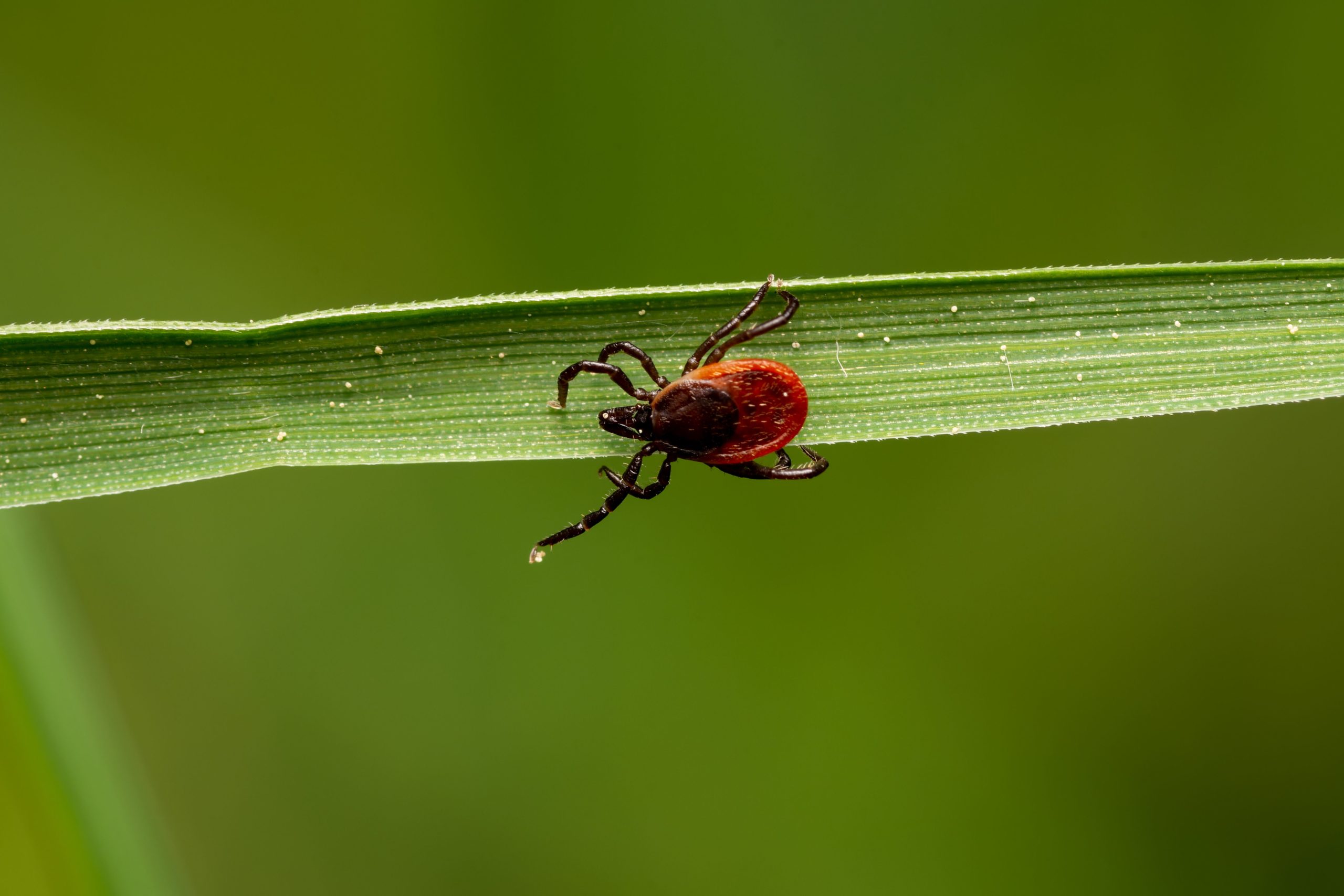
- Blacklegged Tick (Ixodes scapularis)
- Also known as the deer tick.
- Found primarily in the northeastern, mid-Atlantic, southeastern, and north-central United States.
- Known for transmitting Lyme disease, anaplasmosis, babesiosis, and Powassan virus.
- Western Blacklegged Tick (Ixodes pacificus)
- Found along the Pacific coast of the United States, especially in California.
- Also a vector for Lyme disease and anaplasmosis.
- American Dog Tick (Dermacentor variabilis)
- Found in the eastern half of the United States and parts of the West Coast.
- Known for transmitting Rocky Mountain spotted fever and tularemia.
- Rocky Mountain Wood Tick (Dermacentor andersoni)
- Found in the Rocky Mountain states and southwestern Canada.
- Can transmit Rocky Mountain spotted fever, tularemia, and Colorado tick fever.
- Brown Dog Tick (Rhipicephalus sanguineus)
- Found worldwide and can thrive in homes and kennels.
- Known for transmitting canine ehrlichiosis and canine babesiosis.
- Lone Star Tick (Amblyomma americanum)
- Found in the southeastern and eastern United States.
- Known for causing southern tick-associated rash illness (STARI), ehrlichiosis, tularemia, and meat allergy due to alpha-gal syndrome.
- Gulf Coast Tick (Amblyomma maculatum)
- Found in the southeastern United States and along the Gulf Coast.
- Known for transmitting Rickettsia parkeri rickettsiosis and can cause tick paralysis.
Soft Ticks (Argasidae)
- Relapsing Fever Tick (Ornithodoros hermsi)
- Found in the western United States and Canada.
- Known for transmitting tick-borne relapsing fever.
- Fowl Tick (Argas persicus)
- Primarily affects poultry and found worldwide.
- Known to cause significant irritation and anemia in birds.
- Spinose Ear Tick (Otobius megnini)
- Found in the southwestern United States.
- Primarily affects livestock and can cause irritation and secondary infections.
Ticks can vary greatly in appearance, behavior, and the diseases they transmit. Effective tick prevention and control are essential to minimize the risks associated with tick-borne illnesses.
Always try to cover up when being in the outdoors. At Camp Lakewood Campground, we ask to be safe and take caution when hiking or camping.

How to Measure the Remaining Sun with Your Hand
Measuring the remaining sun with your hand is a simple and practical way to estimate the time until sunset. This method relies on the fact that your hand span (from the tip of your thumb to the tip of your pinky when fully extended) is approximately equal to 15 degrees of the sky’s arc. Here’s a basic guide:
- Find a flat, horizontal surface: Place your hand perpendicular to the ground, with your fingers extended and held together.
- Align your hand with the horizon: Hold your hand so that the bottom edge aligns with the horizon.
- Count the number of finger widths between the sun and the horizon: Each finger width corresponds roughly to about 15 minutes of daylight. Your hand span, from the tip of your thumb to the tip of your pinky, represents about one hour.
- Four finger widths: About one hour until the sun sets.
- Three finger widths: About 45 minutes until the sun sets.
- Two finger widths: About 30 minutes until the sun sets.
- One finger width: About 15 minutes until the sun sets.
Keep in mind that these are rough estimates, and the actual time until sunset can vary based on your location and the time of year. Additionally, atmospheric conditions and the specific geography of your surroundings may affect the accuracy of this method. It’s always a good idea to use other means, such as a clock or a smartphone, for more precise timekeeping.
You never know when you might need survival tips in case of a zombie apocalypse. Anyway, book your next camping trip at Camp Lakewood Campground!
DIY Fishing Hooks
Creating your own fishing hooks can be a challenging DIY project, but it’s possible if you have the necessary tools and materials. Keep in mind that this process can be time-consuming and requires some skill in metalworking. Here are the basic steps to make DIY fishing hooks:
Materials and Tools:
- Wire: You’ll need a suitable wire material. Stainless steel or high-carbon steel are common choices.
- Pliers: Needle-nose pliers, round-nose pliers, and cutting pliers are essential.
- Vise: A vise will help you secure the wire during bending and shaping.
- File or Sandpaper: For smoothing and sharpening the hook point.
- Heat Source: If you’re working with stainless steel, you might need a heat source to soften the wire for shaping.
Steps:
- Select the Wire: Choose the appropriate wire diameter and material based on the type of fish you plan to catch. Thicker wire is typically used for larger fish.
- Cut the Wire: Use cutting pliers to cut a length of wire to start with. The length will depend on the hook size you want to create.
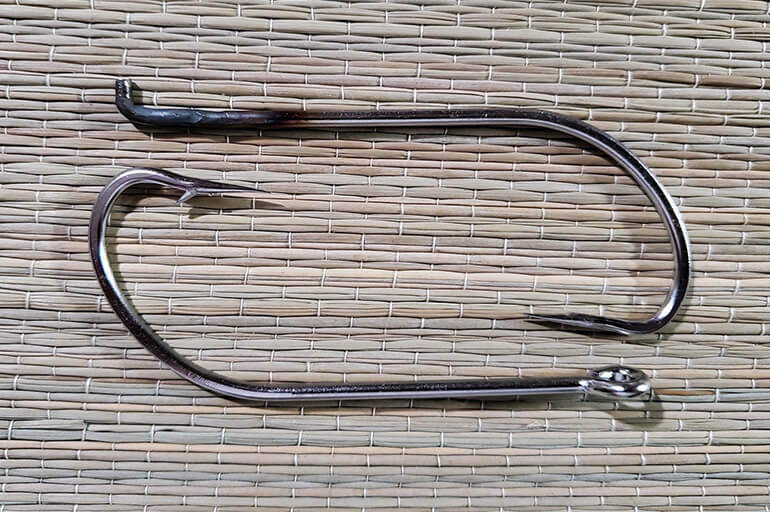
- Bend the Hook: Using needle-nose pliers, bend the wire to create the hook shape. You’ll want a straight section for the shank, a curved section for the bend, and a pointed end for the hook.
- Sharpen the Point: Use a file or sandpaper to sharpen the hook’s point. A sharp point is essential for catching fish effectively.
- Form the Eye: If you want to create a hook with an eye for attaching fishing line or a lure, use round-nose pliers to create the eyelet at the top of the hook.
- Harden and Temper the Hook (optional): If you’re using stainless steel, you may need to heat the hook with a propane torch and then quench it in water to harden it. This step can make the hook more durable, but it requires caution.
- Test Your Hook: Make sure the hook is sharp and strong. You can use a sharpening stone or file to further refine the point.
- Clean and Finish: Remove any sharp edges or burrs from the hook. A clean finish will prevent injury when handling it.
- Optional Coating: You can apply a corrosion-resistant coating or paint to your hook if desired.
Remember that creating your own fishing hooks can be a challenging task, and it may take some practice to perfect the art of making effective hooks. Additionally, some areas have regulations on the use of homemade hooks for fishing, so be sure to check local fishing regulations before using your DIY hooks.
Try this FIY out at your next visit to Camp Lakewood Campground.

Fishing Tips
Of course, I’d be happy to share some fishing tips with you! Fishing can be a relaxing and rewarding outdoor activity. Here are some tips to help you have a successful fishing experience:
Tips
- Choose the Right Equipment:
- Select the appropriate fishing rod and reel for your target species and fishing location.
- Use the right fishing line (monofilament, fluorocarbon, or braided) based on your fishing style and the fish you’re targeting.
- Make sure your hooks are sharp to improve your hookset success.
- Know the Fishing Regulations:
- Familiarize yourself with local fishing regulations, including catch limits, size restrictions, and fishing seasons.
- Obtain any necessary fishing licenses or permits before you start fishing.
- Understand the Habitat:
- Research the fishing location to understand the types of fish that inhabit the area and their preferred habitats.
- Learn about the feeding habits and behavior of the fish you’re targeting.
- Use Proper Bait and Lures:
- Choose bait or lures that mimic the natural prey of the fish you’re targeting.
- Consider using live bait, artificial lures, or a combination of both depending on the conditions and species.
- Practice Casting:
- Work on your casting accuracy and distance. Practice in an open area before heading to the water.
- Learn different casting techniques such as overhead casting, sidearm casting, and flipping/pitching.
- Pay Attention to Weather and Conditions:
- Fish are often more active during certain weather conditions. Overcast days and low light conditions can be ideal for fishing.
- Be aware of tides, moon phases, and water temperature as they can influence fish behavior.
- Be Patient:
- Fishing requires patience. Sometimes it takes time for the fish to become interested in your bait or lure.
- Avoid making sudden movements that might scare away fish.
- Practice Catch and Release:
- If you’re not keeping the fish you catch, handle them gently and release them properly to ensure their survival.
- Use proper tools for removing hooks to minimize stress on the fish.
- Stay Safe:
- Wear appropriate clothing and gear for the weather and environment.
- Be cautious of slippery surfaces, especially when fishing near water bodies.
- Learn from Others:
- If you’re new to fishing, consider fishing with experienced anglers or taking local fishing classes.
- Watch fishing videos, read books, and participate in online fishing forums to learn from other anglers.
Final Thoughts
Remember that fishing is not only about catching fish but also about enjoying the outdoors and the experience. Every fishing trip is a learning opportunity, so don’t get discouraged if you don’t catch anything on a particular day. With practice and persistence, you’ll improve your skills and have more successful outings.
Try these new tips and tricks on your next visit with us at Camp Lakewood Campground.

Family owned and operated, Kiefer Campgrounds strive to offer you the best rates for a comfortable location with outstanding service, and spotless facilities. When you stay in one of our parks, you are no longer just a happy camper, but a part of our family! We are most certain you will enjoy your stay with us. Pick your favorite location and book your spot now before it’s too late! You’ll be happy you did!